
BOTOX AND FILLERS - A FIRST-TIMER'S GUIDE
If you are considering Botox or filler for the first time, the most useful thing to know comes first: they are not two brands of the same treatment. They fix two different causes of facial aging, and many first-timers need only one of them. This guide explains the difference, what a first visit is like, how long results last, and the risks worth knowing.
Botox and fillers are not the same thing
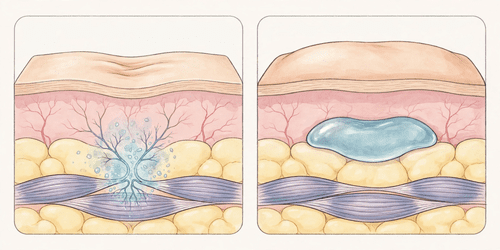
Botulinum toxin products — Botox is the best-known name — are prescription drugs that relax a specific muscle. They soften lines that are made by movement: frown lines between the brows, forehead lines, and crow's feet at the corners of the eyes. The muscle quiets down, so the line it creates softens.
Dermal fillers are gel implants placed under the skin that physically add volume. They address fullness that has been lost with time — cheeks that have flattened, deeper folds around the mouth, lips that have thinned, a chin that needs support.
A simple way to think about it: a movement problem points to a relaxer; a volume problem points to a filler. Using one for the other's job is the most common reason first treatments disappoint.
What a first visit is like
A good first visit starts with a consultation, not a syringe.
- We look at your face at rest and in motion, and talk about what actually bothers you
- We explain which product fits that concern — and which would not help
- A conservative first plan is normal: a modest toxin dose or a small starting volume, with a follow-up look once it has settled
- Before photos help both of us judge the result honestly
- Plan around your calendar: bruising is possible with any injection, so do not schedule your first treatment right before a wedding, photos, or a big event
Fees depend on the product and the amount your plan needs, so cost is worked out at consultation rather than quoted in general terms.

When you will see it, and how long it lasts
This is where first-timers are most often surprised:
- Toxin: nothing changes on day one. Softening begins over a few days, the full effect shows at about 1 to 2 weeks, and results last roughly 3 to 4 months before movement and lines gradually return. There is no reversal agent — an effect you do not like fades on the same clock.
- Filler: volume is visible immediately, with some early swelling on top that settles over days. Hyaluronic-acid fillers typically last about 6 to 12 months, depending on the product and the area. One reassurance unique to this type: hyaluronic-acid filler can be dissolved with an enzyme called hyaluronidase if the result or a complication requires it.
Both are maintenance treatments. Nothing about either one is permanent, and a good plan assumes touch-ups rather than a one-time fix.

What can go wrong — the honest list
Most side effects are common, short-lived, and mild: bruising, redness, swelling, tenderness, and itching at the injection sites, usually settling within days to a couple of weeks. Toxin can also cause a temporarily drooping brow or eyelid.
Two serious risks deserve plain words:
- Filler in a blood vessel: rarely, filler can accidentally enter a blood vessel. That can cause tissue damage, vision loss, or stroke. It is uncommon, but it is exactly why your injector's training, anatomy knowledge, and ability to manage a complication matter more than the price of the syringe.
- Toxin effects beyond the area: botulinum toxin products carry a boxed warning that the effect can, rarely, spread and cause weakness or problems with vision, swallowing, or breathing, hours to weeks later. Any such symptom needs urgent care.
The FDA also names clear hard no's a first-timer should know: injectable silicone is not approved; filler for body contouring of the breasts or buttocks is not approved; needle-free "pen" injection devices are not approved; and filler sold directly to the public is not a safe bargain. Fillers are approved for specific uses in adults 22 and older, and they may not suit people with bleeding disorders or certain allergies. Combining filler and toxin in one plan is commonly done in practice, but the FDA notes the combination has not been evaluated in its clinical studies — that choice belongs in your consultation discussion.
Who should wait, or skip
Postpone or reconsider if you are pregnant or breastfeeding (cosmetic toxin injections are not recommended in pregnancy), if you have an active skin infection in the area, a bleeding disorder, or certain allergies — tell us about all of these, and about every medication and supplement you take, at consultation. If your expectation is a permanent or dramatic change from a single syringe, that is also a reason to pause and talk it through.
How to choose an injector
The FDA's advice is a good checklist: choose a licensed health care provider who is experienced in injecting, knows facial anatomy and the products well, explains risks and benefits before treating, and uses properly labeled products from unopened packaging. Skill and honesty — including being told "that will not fix what bothers you" — are what you are paying for.
If you are curious about Botox, filler, or whether either one fits what you see in the mirror, book a consultation. We will look together, explain the options in plain language, and start conservatively if you decide to proceed.
General patient education only. Suitability, product choice, and expected results are individual and are decided at consultation.